Turn Door Dings into Disappearing Acts

We’re rolling up sleeves to explore DIY paintless dent fixes—practical methods for smoothing metal without spraying paint. Learn when it works, which tools matter, and how patience, light, and gentle pressure transform frustrating blemishes into quietly satisfying victories. Share your questions, subscribe for future guides, and celebrate every subtle win.

Start Smart: Understanding How Metal Springs Back

{{SECTION_SUBTITLE}}

Why panels bend, then heal

Automotive steel and aluminum are elastic within limits, meaning small impacts deform panels without tearing paint. The surrounding metal rises into crowns while the center sinks. By encouraging the crowns to relax and the low to move, gentle techniques allow panels to recover shape without fillers, sanding, or repainting, preserving original finishes beautifully.

Spotting crowns and tension

Crowns are raised rings that trap stress and block the low from lifting. You’ll often find them subtle, stretched along body lines or edges. Good light reveals these ridges. Soften crowns first with light taps, then coax the low upward. Ignoring crowns invites stubborn highs, cracked clearcoat, or endless, frustrating pushing without clean movement.

Essential Gear, Realistic Budgets

Gentle Heat and Lighting That Reveals the Truth

Heat softens paint and makes metal more cooperative, while clear reflections expose every ripple. Controlled warmth paired with readable lines turns guesswork into informed choices. Think of light as your measuring instrument and heat as your assistant, guiding each nudge until distortions fade into the original, factory-like curvature and tension.

Glue Pulling at Home: Controlled, Patient, Clean

When you cannot reach behind, glue pulling becomes a friendly, low-risk option. It relies on adhesive tabs to lift metal progressively, with tap-downs easing crowns between cycles. Respect rhythm over force: set, pull, evaluate, tap, repeat. Smooth, incremental improvements often produce astonishing clarity without introducing new highs or accidental twists.

Working from Behind Panels Without Fear

Finding safe access points

Seek factory holes, grommets, and trim paths before drilling anything, which most enthusiasts should avoid. Use panel tools to loosen liners cleanly, label clips, and protect edges. If moisture barriers are disturbed, reseal carefully. A thoughtful route saves time, preserves sound deadening, and prevents rattles, while offering stable leverage for gentle, repeatable correction pushes.

Controlled pushes that disappear

Seek factory holes, grommets, and trim paths before drilling anything, which most enthusiasts should avoid. Use panel tools to loosen liners cleanly, label clips, and protect edges. If moisture barriers are disturbed, reseal carefully. A thoughtful route saves time, preserves sound deadening, and prevents rattles, while offering stable leverage for gentle, repeatable correction pushes.

Listening to the panel

Seek factory holes, grommets, and trim paths before drilling anything, which most enthusiasts should avoid. Use panel tools to loosen liners cleanly, label clips, and protect edges. If moisture barriers are disturbed, reseal carefully. A thoughtful route saves time, preserves sound deadening, and prevents rattles, while offering stable leverage for gentle, repeatable correction pushes.

Finishing Touches, Blending, and Avoiding Rookie Mistakes

Refinement separates decent from delightful. Blend lingering crowns, chase micro-highs, and align texture so reflections flow like nothing ever happened. Know when excellent is excellent enough, then protect your work. Share your results, ask questions, and help others avoid pitfalls you once faced—community wisdom multiplies progress for every careful, curious tinkerer.

Refining texture to match the panel

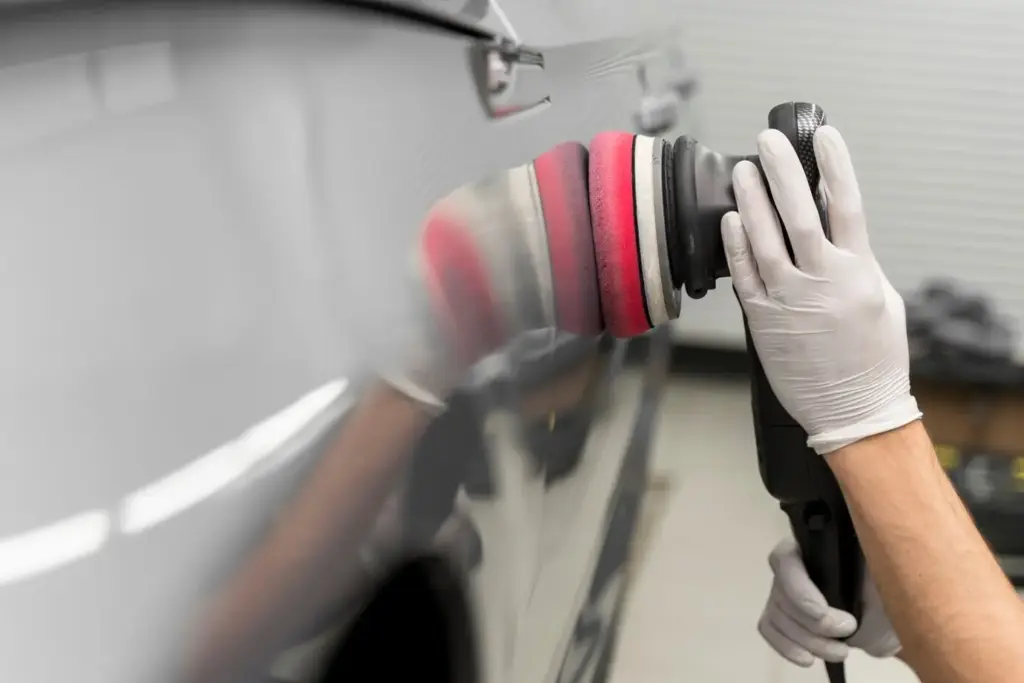
Factory orange peel varies, so aim for visual continuity rather than sterile perfection. Gentle blending taps around transitions soften tiny highs. If polishing, favor mild compounds and soft pads, keeping heat low. Avoid aggressive sanding unless absolutely experienced. The goal is harmony: reflections that glide uninterrupted, free of halos, waves, or sparkly over-polished patches.

When to stop, and why that’s victory

Perfection can sabotage success. Many daily drivers look stunning at ninety-five percent, especially under normal lighting. If fatigue rises or movement stalls, pause and reassess tomorrow. Recognize sharp creases and cracked clear as professional territory. Ending early protects paint, your mood, and the honest satisfaction of a clean, responsible, budget-friendly improvement done thoughtfully.

Share, learn, return

Post before-and-after shots, outline your steps, and note what truly changed the reflections. Ask for feedback from fellow enthusiasts, subscribe for deeper walkthroughs, and suggest stubborn scenarios you want covered next. Your questions guide future experiments, while your wins inspire someone else’s first, careful pull toward a beautifully restored, confidently maintained vehicle.

Piradariveltofari
Privacy Overview

This website uses cookies so that we can provide you with the best user experience possible. Cookie information is stored in your browser and performs functions such as recognising you when you return to our website and helping our team to understand which sections of the website you find most interesting and useful.