
When a Dent Can Disappear Without Paint

Wondering whether that door ding or hail dent can be restored without repainting? This guide explains how to evaluate if a car dent is a good candidate for paintless repair, highlighting paint condition, metal stretch, location, access, and realistic expectations, with mechanic‑proven tips and relatable shop stories that help you decide confidently before committing time, tools, or money.

Reading the Metal: Size, Depth, and Stretch
The first judgment call is always about how the metal moved and whether it can move back cleanly. Large but shallow impacts often repair better than tiny, needle‑sharp strikes that pierced texture and stretched the panel. Gentle crowns around the impact show energy distribution; a harsh, pinpoint low often means permanent stretch. We once reversed a softball‑sized dent in a hood because the paint was intact and depth was mild, but we declined a tiny, sharp crease near the edge that had clearly over‑stretched the steel.

Paint Integrity and Surface Conditions
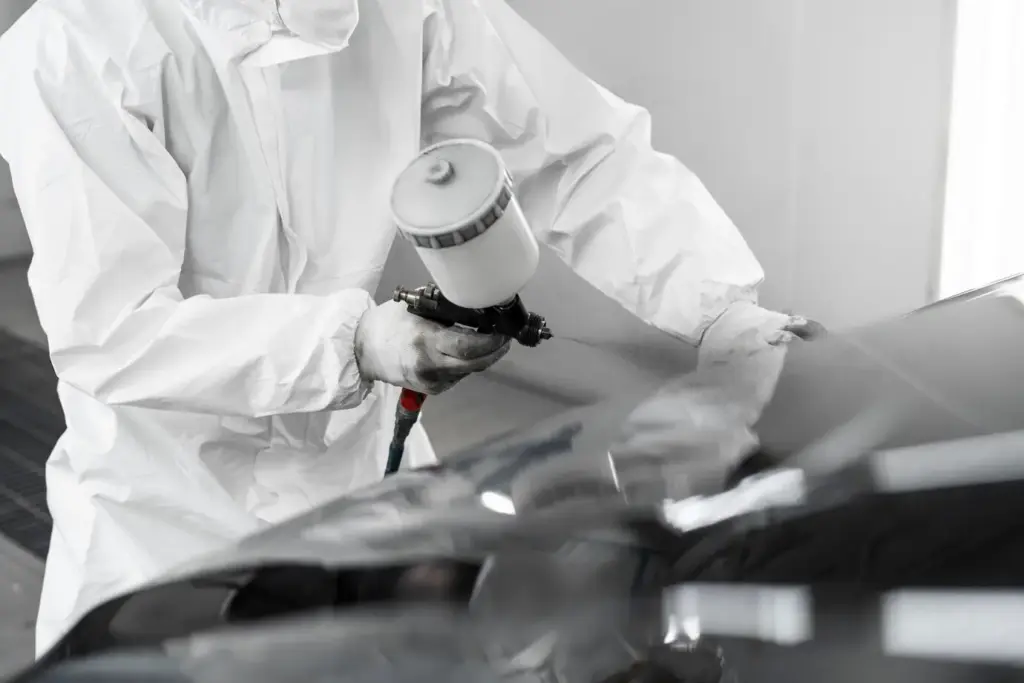
Paintless repair depends on finish flexibility. Factory paint tends to be stronger and more elastic than many repaints, which can chip or spider crack around the impact. Inspect under bright, raking light to expose hairlines and haloing. A gentle alcohol wipe can reveal hidden fractures by clearing surface contamination. In our shop, we accepted a deep roof dent because the paint showed zero micro‑fractures under magnification, yet turned away a shallow door ding where a previous respray had already begun to chip at the edges.

Location Matters: Panels, Edges, and Bracing
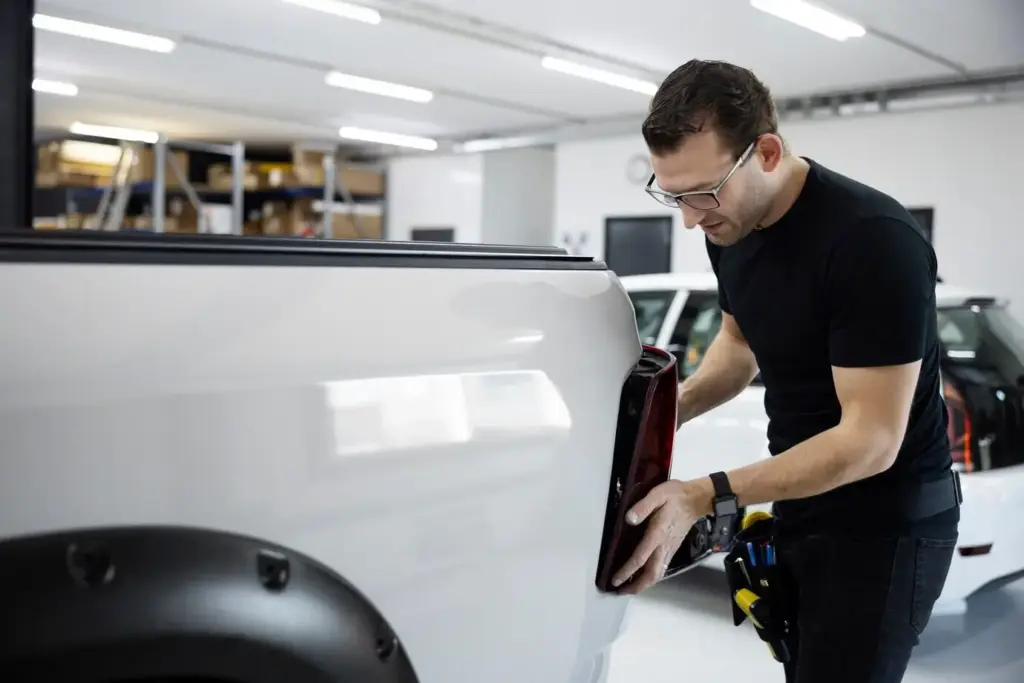
Where the dent lives shapes everything. Edges and hemmed flanges are heavily work‑hardened, resisting movement and increasing the chance of paint fracture. Double‑walled areas limit tool reach and leverage. Bracing with strong urethane pads or sound‑deadener complicates access and reaction. A ding in the middle of a door skin may pop nicely, but the same impact an inch from a hem could fight every push. Always map edges, seams, and internal structures before deciding how far PDR can go.

Aluminum Versus Mild Steel Behavior

Aluminum requires meticulous temperature control and smaller, more deliberate pushes because it loses memory quickly and can oil‑can if rushed. Expect slower progress and more finish polishing at the end. Mild steel tolerates gentle persuasion, allowing crown relief to guide the low upward more predictably. When evaluating viability, feel how the panel responds to light taps. If aluminum shows sluggish movement without heat, build time into your estimate or consider whether conventional repair would deliver a better balance of effort and outcome.

High-Strength Steel Challenges

High‑strength and ultra‑high‑strength steels are engineered to resist deformation, which also means they resist painless reshaping. Pushes can rebound, and crowns may remain stubborn even with correct technique. Over‑working these panels risks creating tinny areas or subtle waves. If a test push near the perimeter fails to transmit clean movement, note it on the estimate and set cautious expectations. Sometimes minor improvement is realistic, but flawless restoration is not, especially around reinforcement zones where the metallurgy is intentionally unyielding.

Access, Tools, and Repair Strategy

Tool Access Paths and R&I

Map every possible rod path by sight and touch. Removing a headliner, taillight, or inner trim can transform leverage and tool control. Protect edges with guards and stabilize panels to prevent sympathetic highs. If access remains awkward, expect slower progress and higher cost. List these steps in your estimate so the owner understands why a seemingly small dent might require significant disassembly. When access cannot be improved without major teardown, reconsider whether partial improvement meets expectations.

Glue Pulling Versus Pushing

Glue pulling excels on outer skins where behind‑panel access is blocked, but it lifts broadly and may need many small pulls rather than a few strong ones. Pushing from behind offers precision and line‑by‑line sculpting, especially for pits. Many successful repairs blend both methods, using pulls to relax the low and controlled pushes to finish. Evaluate paint health carefully; weak or repainted clear can release under aggressive pulls. Choose adhesives and tabs matched to temperature, panel material, and dent geometry.

Heat Control and Finishing

Heat is not just comfort for the metal; it safeguards clearcoat and prevents micro‑fractures, especially on aluminum or aged finishes. Keep temperatures even and moderate, checking with your hand or an infrared thermometer. After lifting the low, use soft knockdowns to settle highs, restore orange peel, and blend transitions. Final polish removes subtle tool marks and haze. If the panel refuses to hold shape without over‑heating, stop, reassess viability, and protect the finish before chasing a risky last two percent.

Lighting, Reflection, and Diagnosis

Reading Lines and Fog

Set your board so reflections travel across the dent and into unaffected areas. Distorted lines show the true footprint, while ripples expose hidden highs created by the impact. Rotate the light and switch distances to separate surface texture from structural movement. Photograph patterns for documentation and customer explanation. If reflections remain chaotic after preliminary crown relief, the metal may be stretched or locked by bracing. Accurate reading leads to smarter tool choices, tighter estimates, and fewer unwelcome surprises mid‑repair.

Locating the Crowns

Set your board so reflections travel across the dent and into unaffected areas. Distorted lines show the true footprint, while ripples expose hidden highs created by the impact. Rotate the light and switch distances to separate surface texture from structural movement. Photograph patterns for documentation and customer explanation. If reflections remain chaotic after preliminary crown relief, the metal may be stretched or locked by bracing. Accurate reading leads to smarter tool choices, tighter estimates, and fewer unwelcome surprises mid‑repair.

Identifying Highs and Lows

Set your board so reflections travel across the dent and into unaffected areas. Distorted lines show the true footprint, while ripples expose hidden highs created by the impact. Rotate the light and switch distances to separate surface texture from structural movement. Photograph patterns for documentation and customer explanation. If reflections remain chaotic after preliminary crown relief, the metal may be stretched or locked by bracing. Accurate reading leads to smarter tool choices, tighter estimates, and fewer unwelcome surprises mid‑repair.

Estimating, Timelines, and Customer Expectations
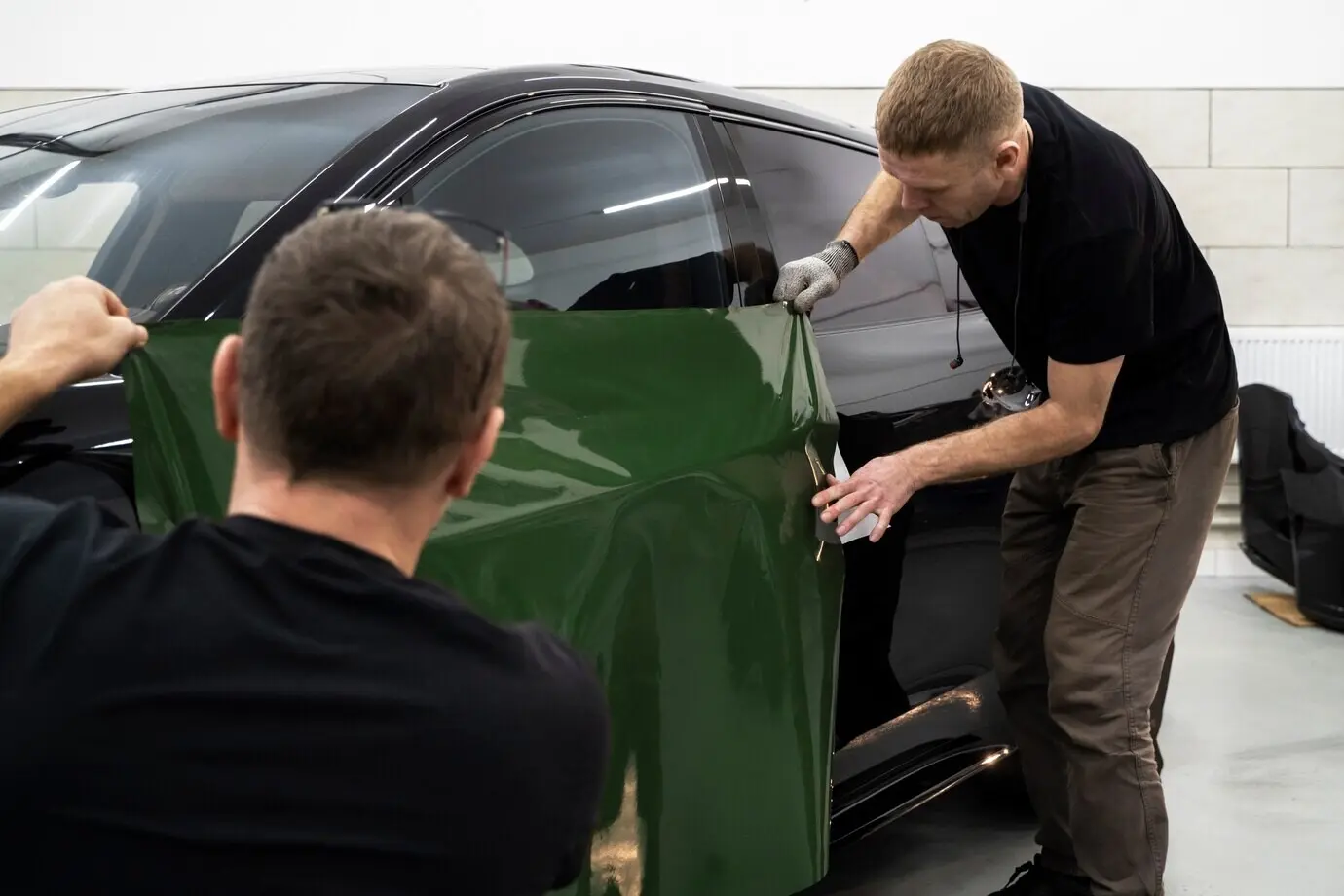
A great evaluation ends with clear communication. Explain why the dent qualifies or not, outline steps like R&I, and note risks such as brittle clear or inaccessible bracing. Compare outcomes: perfect, near‑perfect, or noticeable improvement. Offer honest timelines, especially for aluminum or braced panels. Invite customers to send photos with angled reflections and a coin for scale. The goal is to make confident, informed choices. When expectations match physics, satisfaction soars and repeat trust follows naturally.
Piradariveltofari
Privacy Overview

This website uses cookies so that we can provide you with the best user experience possible. Cookie information is stored in your browser and performs functions such as recognising you when you return to our website and helping our team to understand which sections of the website you find most interesting and useful.