Confident Home Dent Fixes Without the Paint Shop
Understanding Paintless Dent Repair at Home
What Can Realistically Be Restored
How Metal Moves and Why Patience Wins
Bare‑Minimum Weekend Setup
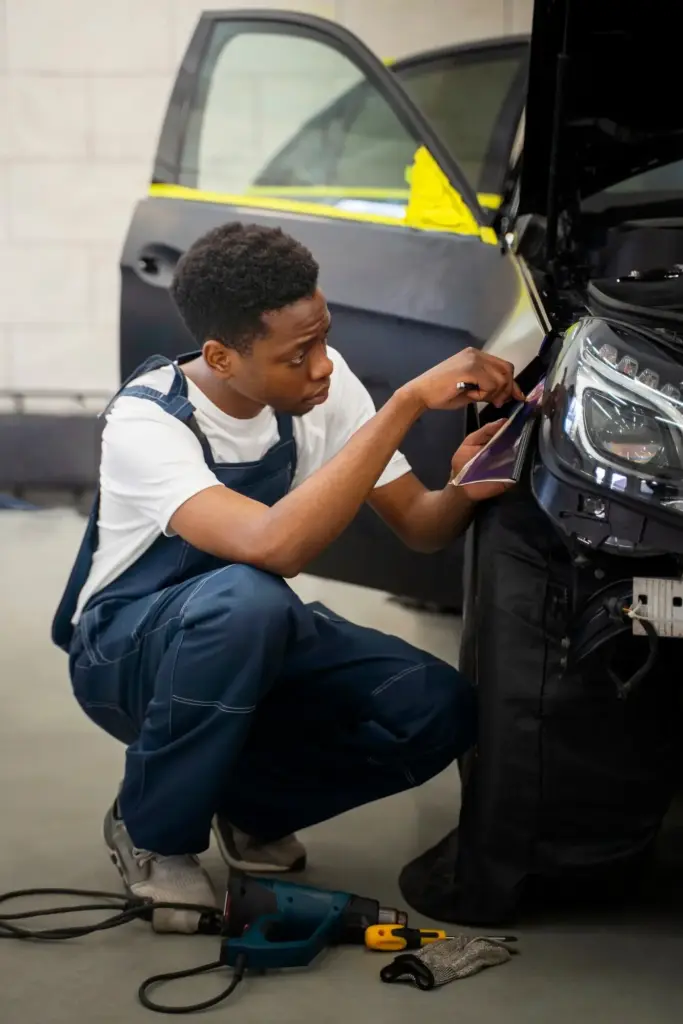
Start with a medium‑temp glue gun, reputable PDR glue sticks matched to your climate, a mini lifter, a handful of mixed tabs, 91–99% isopropyl alcohol for release, a soft knockdown with interchangeable tips, microfiber towels, a plastic razor, and a basic reflector board. This lean setup handles many small dings without overwhelming you or your budget.
Balanced Beginner Bundle
Upgrade to include a slide hammer for stubborn pulls, multiple tip shapes, a tap‑down set with plastic and rubber faces, a portable LED or high‑contrast reflector board, denatured alcohol for cooler climates, a heat gun for controlled warming, nitrile gloves, and organizers. This balance improves control, comfort, and speed, without demanding advanced access tools yet.
Safety, Cleanup, and Storage
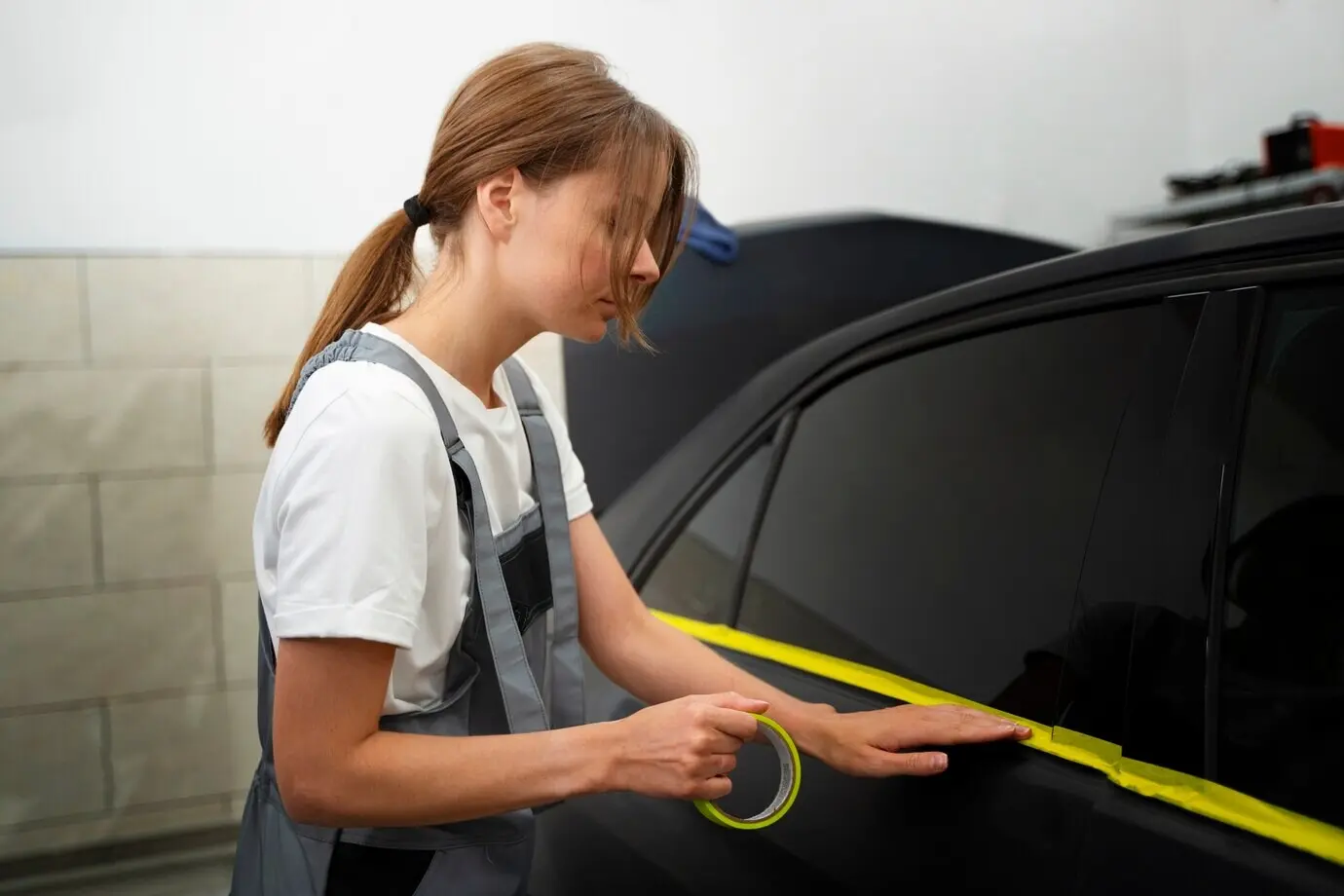
Protective eyewear, soft fender covers, painter’s tape around work zones, and a magnetic parts tray prevent accidental damage and lost pieces. A small caddy for tips, tabs, and alcohol keeps workflows smooth. After pulling, clean residue promptly, label glues for seasons, and store guns upright. Organized habits protect paint, tools, and your patience during longer projects.
Lighting and Reading the Dent
LED and Reflector Boards
LED panels produce consistent, bright lines that expose tiny changes in contour. Reflector boards are lighter and portable, perfect for quick setups or tight driveways. Both work if positioned correctly. Practice moving the light instead of your head, and watch how line curvature pinpoints lows and highs with surprising clarity, accelerating precise corrections every single session.
Shadows as Your Map
Shadows indicate where metal needs attention, but they also reveal when to stop. As you lift the low, surrounding highs might appear. The right light angle shows subtle ridges called crowns. Address these gently to unlock tension. When shadows even out and reflections straighten, resist the urge to keep pushing; overworking risks peaks and texture mismatches.
Glue Pulling Essentials
Pushing Tools and Control
Knockdowns, Crowns, and Blending
Heat, Materials, and Finishing Touches
Working With Aluminum Panels
Plastic Bumpers and Edges
Final Inspection and Shine
Common Mistakes, Fixes, and When to Stop
Recovering From Overpull
Creases Versus Hail Dings
Knowing When to Call a Pro
Your First At‑Home Win and Our Community

All Rights Reserved.